
Urgent Call to Action: Addressing the Petrol Price Surge
Growing economic concerns have followed the sharp increase in the pump price of petrol to about N1,400 per litre in parts of Nigeria, prompting the Organised Private Sector (OPS) and the Nigeria Labour Congress (NLC) to call...
BUSINESS
By Today's Topnews
3/24/20262 min read
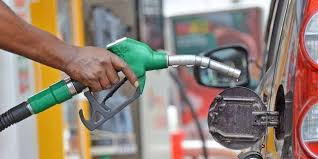
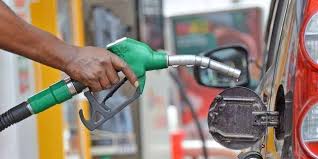
Growing economic concerns have followed the sharp increase in the pump price of petrol to about N1,400 per litre in parts of Nigeria, prompting the Organised Private Sector (OPS) and the Nigeria Labour Congress (NLC) to call for urgent intervention by the Federal Government to cushion the impact on citizens and businesses.
Recent market observations indicate that petrol prices across several cities now range between about ₦1,170 and ₦1,400 per litre, representing a sharp increase within a short period and placing additional pressure on households already struggling with inflation and rising transportation costs.
Stakeholders warn that the surge in fuel prices is already affecting multiple sectors of the economy, particularly transportation, manufacturing, agriculture, and small-scale enterprises that rely heavily on petrol-powered logistics and generators.
Economic analysts note that higher fuel costs typically trigger a chain reaction across the economy, as transport operators increase fares and businesses adjust prices to reflect rising operational expenses. As a result, the cost of food items, essential commodities, and services is expected to rise further in the coming weeks.
The OPS expressed concern that continued increases in fuel prices could weaken production capacity in the private sector, especially among small and medium-scale enterprises (SMEs), many of which depend on fuel to power operations due to persistent electricity supply challenges.
Similarly, the Nigeria Labour Congress warned that the situation could worsen the hardship faced by workers and low-income earners if urgent relief measures are not introduced.
Labour leaders and private sector stakeholders have therefore urged the Federal Government to urgently review policies affecting fuel pricing and introduce targeted interventions aimed at stabilising the market.
According to them, possible solutions may include tax adjustments on petroleum products, expansion of mass transit programmes, and stronger support for local refining capacity to reduce dependence on imported fuel.
Stakeholders also stressed the need to accelerate investments in alternative energy solutions and strengthen public transportation infrastructure as part of long-term strategies to reduce pressure on petrol demand nationwide.
Industry observers further linked the recent price surge partly to global crude oil market volatility and Nigeria’s continued exposure to international pricing dynamics following the removal of fuel subsidies, which has made local pump prices more sensitive to external shocks.
Experts warned that failure to respond promptly to the situation could deepen public frustration and worsen inflationary pressures across the country, especially as transport costs continue to influence the prices of goods and services.
The OPS and NLC therefore called on the Federal Government to engage stakeholders in constructive dialogue and implement policies that will ease the burden on Nigerians while protecting economic productivity.
They maintained that decisive and timely action remains critical to stabilising fuel prices, supporting businesses, and preventing further deterioration in living standards across the country.