
2027 Elections: Gbenga Hashim Faults INEC Timetable, Says It Violates Electoral Act
A presidential aspirant on the platform of the Peoples Democratic Party (PDP), Gbenga Hashim, has criticised the Independent National Electoral Commission (INEC)...
NEWS
By Today's Topnews
3/29/2026
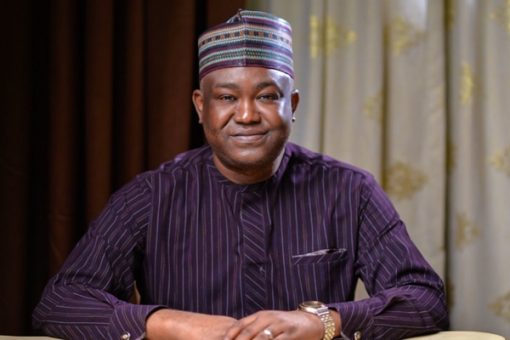
A presidential aspirant on the platform of the Peoples Democratic Party (PDP), Gbenga Hashim, has criticised the Independent National Electoral Commission (INEC) over what he described as an “illegal” timetable for the 2027 general elections, warning that it may contradict provisions of the Electoral Act.
Hashim raised the concern while receiving the National Chairman of the Accord Party, Maxwell Mgbudem, during a consultation meeting focused on political developments ahead of the next election cycle.
According to the PDP presidential hopeful, the timetable released by INEC appears inconsistent with Section 29(1) of the Electoral Act, which requires political parties to submit their list of candidates not later than 120 days before the date of an election.
He explained that the provision suggests political parties should ordinarily have until around August or September to conclude their primary elections, rather than the earlier deadline reportedly set by the electoral commission for completion of primaries by May.
Hashim argued that the adjustment effectively shortens the preparation window by several months and could place additional pressure on opposition parties already dealing with internal disputes and ongoing legal challenges.
While acknowledging recent adjustments made by INEC regarding deadlines for the submission of party registers, he maintained that the core concern about the compressed electoral timetable remains unresolved and requires urgent clarification.
The PDP chieftain also emphasised the need for intensified consultations among opposition political actors aimed at building a stronger coalition capable of safeguarding Nigeria’s multi-party democratic structure.
He warned against what he described as a gradual drift toward a one-party dominance in Nigeria, stressing that collaboration among opposition parties remains critical to maintaining democratic balance and accountability.
Hashim further noted that internal divisions and external pressures continue to weaken the organisational strength of opposition parties, making unity and strategic engagement more important ahead of the 2027 elections.
He therefore called on political stakeholders to prioritise cooperation and dialogue in order to protect democratic pluralism and ensure that electoral processes remain credible, competitive, and transparent.
Consultations among political actors, he added, are expected to continue in the coming months as stakeholders explore broader alliances and strategies ahead of the next general elections.